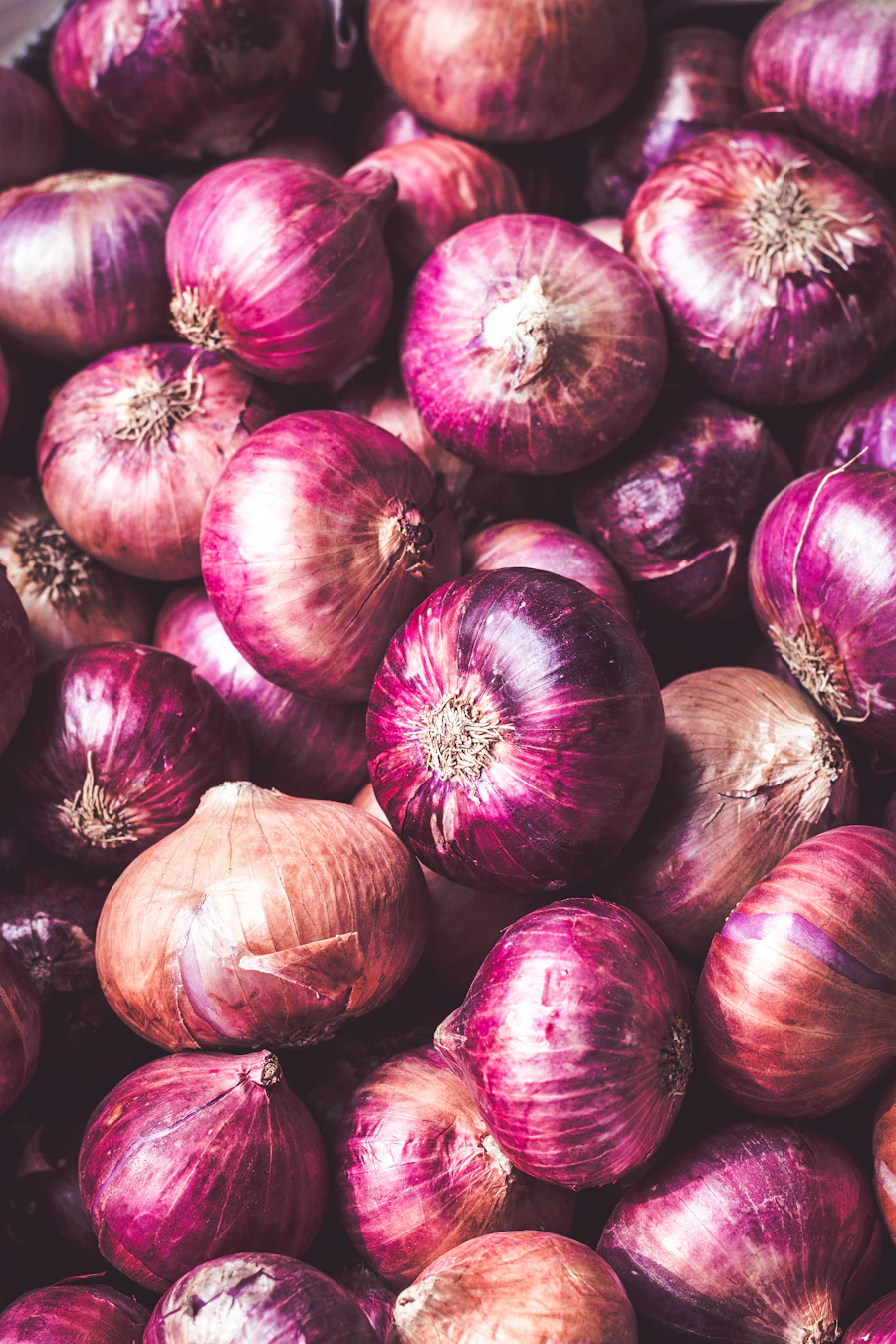
Fermentable fibers and related carbohydrates cause the most gas, especially raffinose-type sugars (found in beans and lentils), fructans (in onions and wheat), and inulin (often added to "high-fiber" products). Gut bacteria ferment them in the large intestine and release gas. Insoluble fibers like wheat bran mostly pass through and cause less.
Why some fibers make more gas
Your body can't digest fiber, so it reaches the large intestine, where bacteria feed on it. Fast-fermenting fibers produce gas quickly (mainly hydrogen and carbon dioxide). Slow-fermenting or non-fermentable fibers produce little. This is generally well established, though how much gas any one person gets varies a lot with their gut bacteria.
The usual suspects
- Raffinose and stachyose (alpha-galactosides): These are small carbohydrates in beans, lentils and chickpeas. Humans lack the enzyme to break them down, so bacteria do it instead. This is why beans have their reputation.
- Fructans and inulin: Found in onions, garlic, wheat, and chicory root. Inulin is added to many protein bars and "added fiber" foods. These are strongly fermentable and are a common trigger, especially for people with irritable bowel syndrome (IBS).
- Galacto-oligosaccharides (GOS): Similar to raffinose, found in legumes and some added to foods.
- Soluble, viscous fibers (e.g. psyllium, oat beta-glucan): Moderately fermentable. They usually cause less gas than inulin, and psyllium is often better tolerated.
- Insoluble fibers (e.g. wheat bran, cellulose): Poorly fermented, so generally less gassy, though they can still cause bloating in some people.
How common foods compare
These are USDA figures per 100 g for cooked, boiled, unsalted legumes and raw onion:
| Food | Fiber (g) |
|---|---|
| Lentils | 7.9 |
| Chickpeas | 7.6 |
| Kidney beans | 6.4 |
| Onion (raw) | 1.7 |
Fiber totals don't tell the whole story. Onion has little fiber but is rich in fructans, and legumes combine fiber with gas-producing raffinose-type sugars. USDA data doesn't list these specific carbohydrates, so the amounts above only show total fiber.
Reducing gas
- Increase fiber gradually. Gut bacteria adapt over a few weeks, and gas often settles with regular intake. This is well supported.
- Soak and rinse dried beans, and discard the soaking water. This removes some of the gas-causing sugars. Canned beans, rinsed, may also help. Evidence is modest but reasonable.
- Try lentils first. Many people find them easier than larger beans, though this is anecdotal rather than firmly proven.
- Drink water as fiber intake rises.
- Consider an alpha-galactosidase enzyme supplement (such as Beano). Studies show it can reduce gas from beans for some people, though results vary. Ask a pharmacist if you take other medications.
If gas comes with pain, weight loss, diarrhea, blood in stools, or doesn't improve, check with a doctor. People with IBS may benefit from working with a registered dietitian on a structured low-FODMAP approach (FODMAPs are the fermentable carbohydrates listed above).