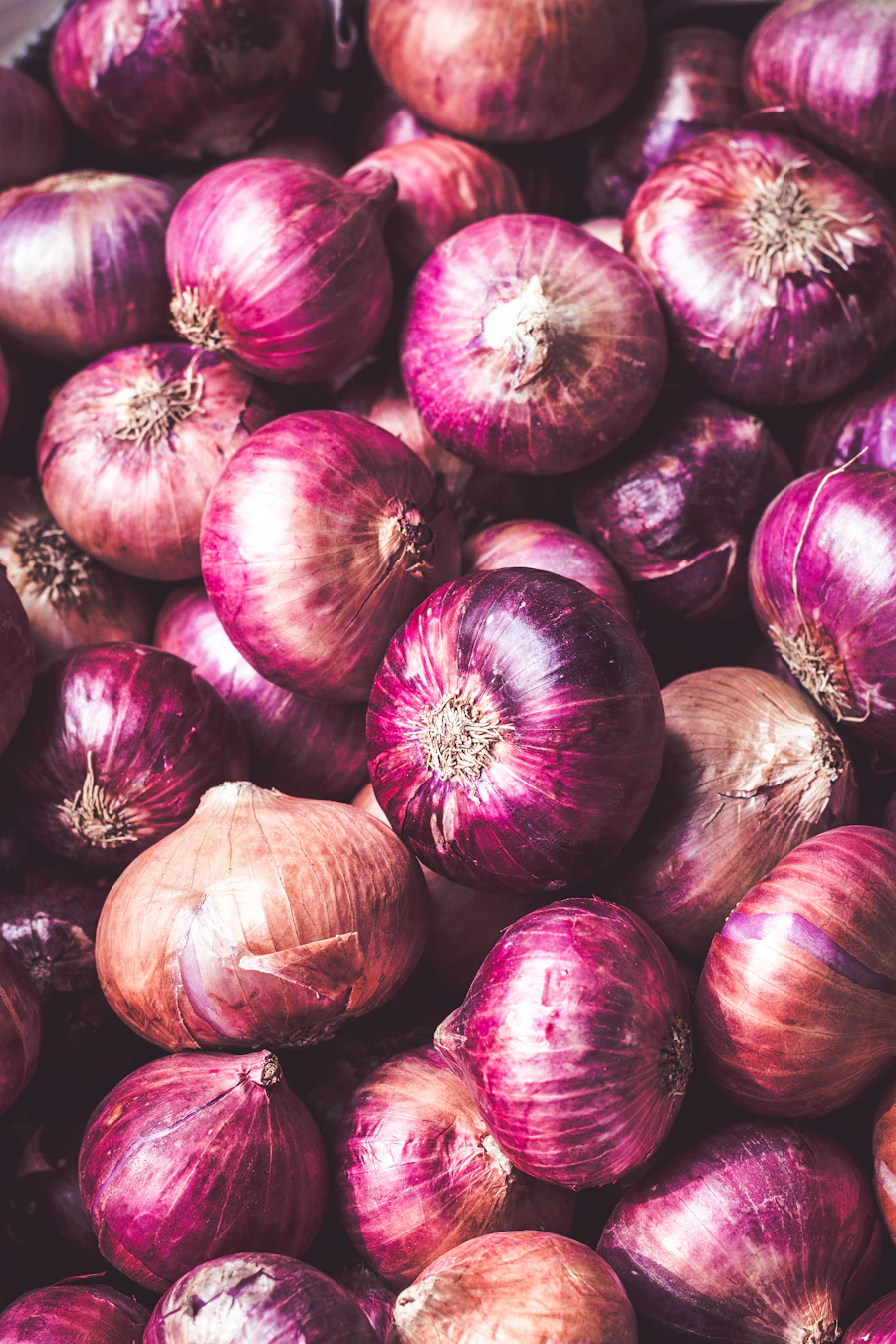
Jarred salsa is surprisingly salty: USDA lists ready-to-serve salsa at roughly 656-711 mg of sodium per 100 g, while the fresh vegetables used to make salsa contain only about 2-5 mg per 100 g. Making a fresh salsa from tomato, onion, pepper and cucumber is the easiest low-sodium swap, and you control the salt.
How the numbers compare
All figures below are from USDA, per 100 g (about 3.5 oz).
| Food | Sodium | Calories |
|---|---|---|
| Salsa, ready-to-serve (two USDA records) | 656 and 711 mg | 29 kcal |
| Tomato, raw | 5 mg | 18 kcal |
| Red bell pepper, raw | 4 mg | 26 kcal |
| Onion, raw | 4 mg | 40 kcal |
| Cucumber, raw | 2 mg | 15 kcal |
Jarred salsa contains added salt (and often other sodium-containing ingredients) for flavor and shelf life. The USDA records don't say which brands they cover, so labels on real products will vary.
Simple low-sodium swaps
- Fresh pico de gallo. Chop tomato, onion and a little pepper, then add lime juice, cilantro and chili. Skip the salt or use a small pinch.
- Cucumber-tomato salsa. Cucumber adds crunch and water, and it's very low in sodium (2 mg per 100 g). It also stretches the salsa without adding many calories.
- Red bell pepper salsa. Red pepper is sweet and has far more vitamin C than tomato in USDA data (128 mg vs 14 mg per 100 g), so it brings color and nutrition.
- "No salt added" jarred salsa. Many brands make one. Check the Nutrition Facts label, since "reduced sodium" only means less than the regular version, not low in absolute terms.
- Salt-free canned tomatoes, blended or chopped. Look for "no salt added" on the can, then add onion, lime and spices.
Keeping flavor without the salt
Salt mostly boosts flavor, so you can replace some of that lift with other things:
- Acid: lime or lemon juice, or a splash of vinegar.
- Heat: fresh jalapeño, serrano, or chili powder.
- Aromatics: raw onion, garlic, cilantro, cumin.
- Time: letting the salsa sit 15-30 minutes lets flavors blend, which makes it taste more seasoned.
Taste buds generally adapt to lower salt over a few weeks, so a salsa that tastes bland at first often tastes fine later. This is well supported by research on salt preferences, though how quickly it happens varies by person.
A few practical notes
- Fresh salsa keeps only a few days in the fridge, so make small batches.
- Salsa con queso (cheese-and-salsa dip) is also salty (796 mg per 100 g in USDA) and much higher in fat and calories (143 kcal per 100 g), so it isn't a low-sodium substitute.
- If you've been advised to limit sodium because of high blood pressure, kidney disease, or heart failure, a doctor or registered dietitian can tell you what target is right for you. Some salt substitutes are potassium-based and may not suit certain conditions or medications.