Yes, asparagus is generally considered a prebiotic food. It contains inulin-type fructans, which are fibers that gut bacteria can ferment, though it's not among the richest sources.
The USDA data provided here doesn't include asparagus, so I can't quote nutrient numbers for it. The rest of this page describes what research generally shows.
What "prebiotic" means
A prebiotic is a food component that your gut microbes selectively use as fuel, in a way that benefits your health. Most prebiotics are types of fiber or related carbohydrates that you can't digest yourself. They travel to the large intestine, where bacteria ferment them and produce helpful byproducts such as short-chain fatty acids.
Where asparagus fits
- It contains fructans. Asparagus has inulin-type fructans, a well-studied prebiotic fiber. Analyses of vegetables generally put it in the moderate range: more than many vegetables, but well below chicory root, Jerusalem artichoke, or garlic.
- Evidence is stronger for the compounds than the vegetable. Fructans like inulin have been shown in human trials to increase bifidobacteria, a group of generally beneficial gut bacteria. Studies of asparagus itself as a food are far fewer, mostly small or lab-based, so the evidence for its specific effects is limited.
- Portion size matters. A typical serving contains a modest amount of fructans, so it contributes to your prebiotic intake rather than being a major source on its own.
How it compares to other foods
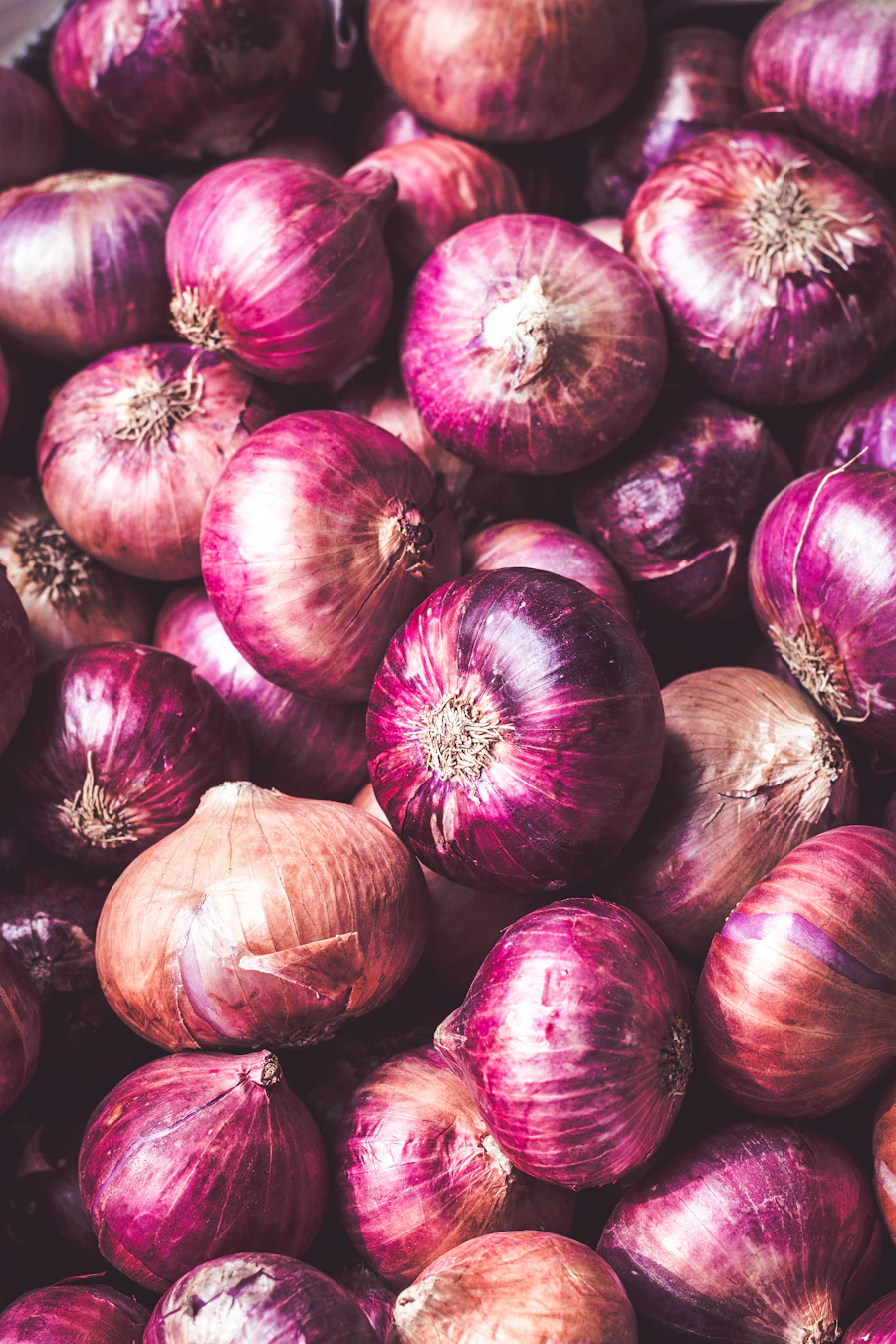
Using the USDA data above, garlic has 2.1 g of fiber per 100 g and onion has 1.7 g (USDA, raw). Both are well known for fructans, and in general they contain more than asparagus does, though they're usually eaten in smaller amounts. Oats provide 11 g of fiber per 100 g (USDA), mainly beta-glucan, another fermentable fiber with prebiotic activity. Bananas, at 2.6 g per 100 g (USDA), contribute some fermentable carbohydrate and resistant starch, especially when slightly green.
Note that total fiber doesn't tell you how much is prebiotic fiber. The USDA figures show total fiber only, not fructan content.
Practical tips
- Add it gradually. Fermentable fibers can cause gas or bloating, especially if you're not used to them.
- If you have IBS or follow a low-FODMAP diet (which limits fermentable carbohydrates), asparagus may trigger symptoms in larger portions. A registered dietitian can help you work out your own tolerance.
- Variety helps. Eating a mix of fibrous plants, such as asparagus, onions, garlic, oats, and bananas, is generally thought to support a more diverse gut microbiome than relying on one food.