Store potatoes somewhere cool, dark, dry and well-ventilated — roughly 7–10 °C (45–50 °F) — and keep them away from onions, apples and bananas. Light and warmth are the two main triggers for sprouting, and ethylene gas from nearby fruit and onions speeds it up.
The four things that matter most
- Darkness. Light prompts potatoes to produce chlorophyll (the green tinge) and, alongside it, glycoalkaloids such as solanine — natural compounds that taste bitter and can cause nausea in large amounts. Use a paper bag, cardboard box, burlap sack or a drawer in a dark cupboard. Avoid clear plastic bags and sunny countertops.
- Cool, but not cold. A pantry, cellar or unheated cupboard is ideal. Below about 4 °C (fridge temperature), potatoes undergo "cold sweetening": starch converts to sugars, which makes them taste sweeter and, more importantly, makes them brown faster and form more acrylamide when fried or roasted. Acrylamide is a compound formed at high heat that regulators advise minimising. Home refrigeration is a trade-off rather than a disaster, but a cool pantry is better.
- Ventilation and dryness. Airflow prevents condensation and rot. Don't seal potatoes in airtight containers or wash them before storage — moisture encourages mould.
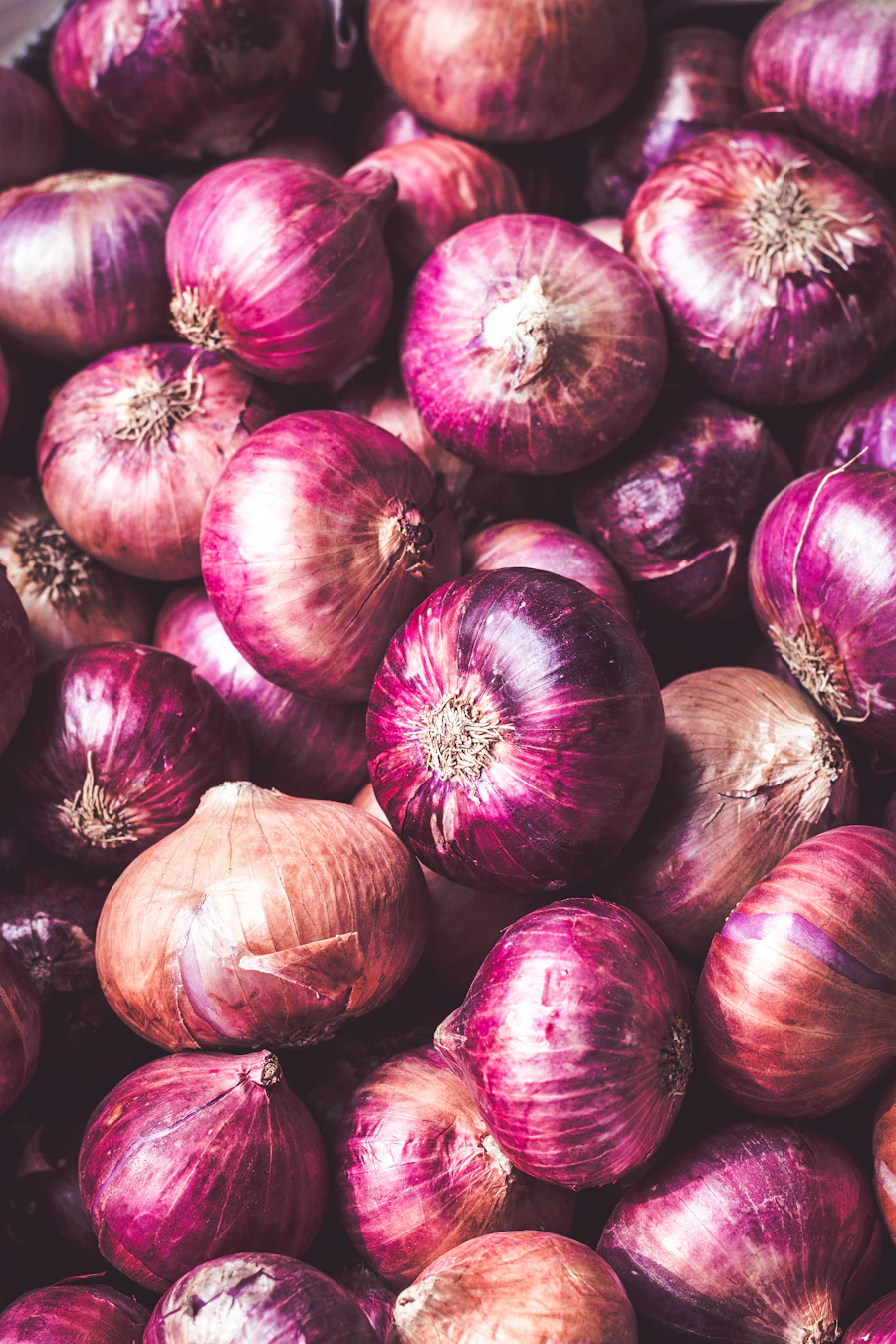
- Separation from ethylene producers. Onions, apples, bananas and tomatoes release ethylene, a ripening gas that encourages sprouting. Store onions in their own ventilated spot (ironically, onions also keep best cool, dark and dry — just not in the same box).
A few other tips: remove any damaged or already-sprouting tubers, since they hasten spoilage in the rest of the batch, and buy smaller quantities more often if you don't have a cool storage spot.
If they sprout anyway
Small sprouts on an otherwise firm, unblemished potato are generally fine — snap them off, along with the "eyes" around them, and cook as usual. Discard potatoes that are soft, shrivelled, heavily sprouted, or extensively green. Glycoalkaloids concentrate in the skin, sprouts and green areas, so peeling generously helps, but cooking does not destroy them. Bitterness or a burning taste is a signal to stop eating.
What you're preserving nutritionally
Potatoes are a genuinely useful source of potassium and vitamin C, and good storage slows the loss of both. USDA figures for raw potato, flesh and skin, per 100 g:
| Nutrient | Per 100 g | Per medium potato (213 g) |
|---|---|---|
| Calories | 77 kcal | ~164 kcal |
| Carbohydrate | 17 g | ~36 g |
| Fibre | 2.1 g | ~4.5 g |
| Potassium | 425 mg | ~905 mg |
| Vitamin C | 20 mg | ~43 mg |
| Vitamin B6 | 0.3 mg | ~0.6 mg |
Vitamin C is the nutrient most affected by long storage — research consistently shows substantial declines over several months, with faster losses at warmer temperatures. Potassium, fibre and minerals stay largely stable.
If you're pregnant, feeding young children, or managing a medical condition and you're unsure whether a questionable batch is safe, err on the side of throwing it out; a dietitian or your local food safety authority can advise further.